
+86 18395326713

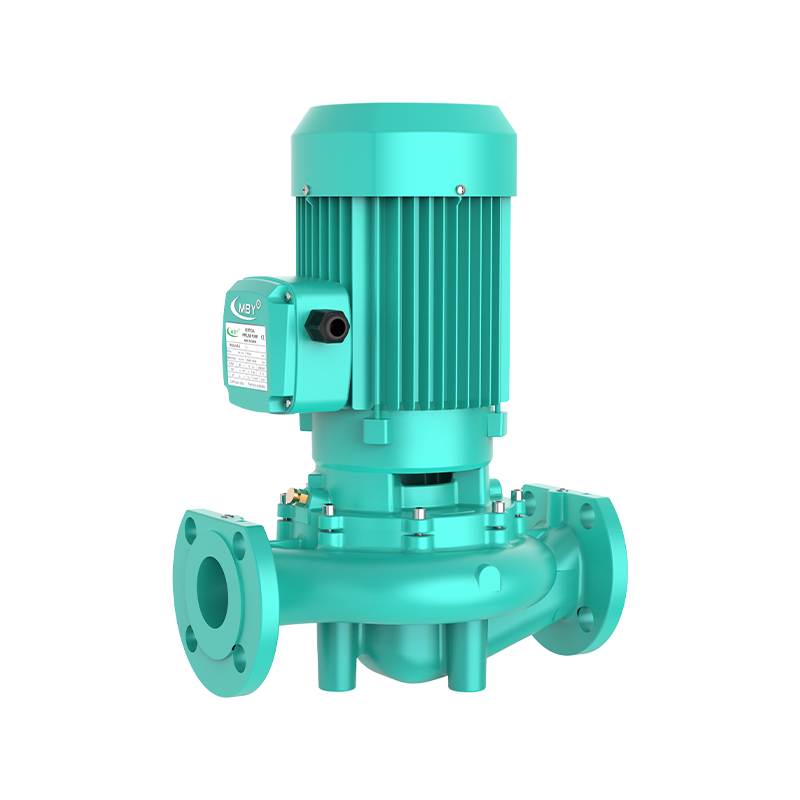
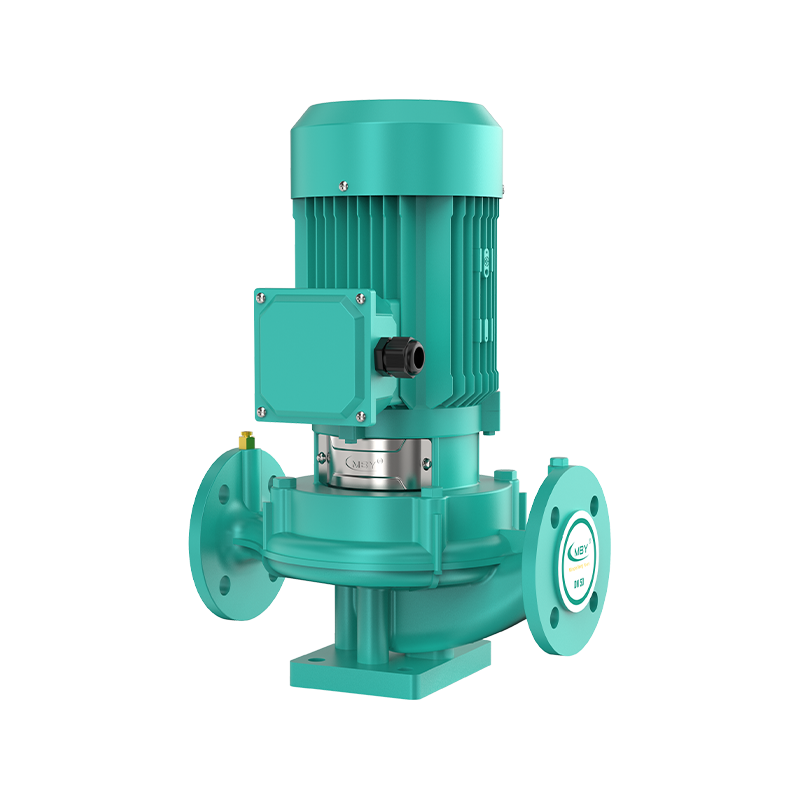
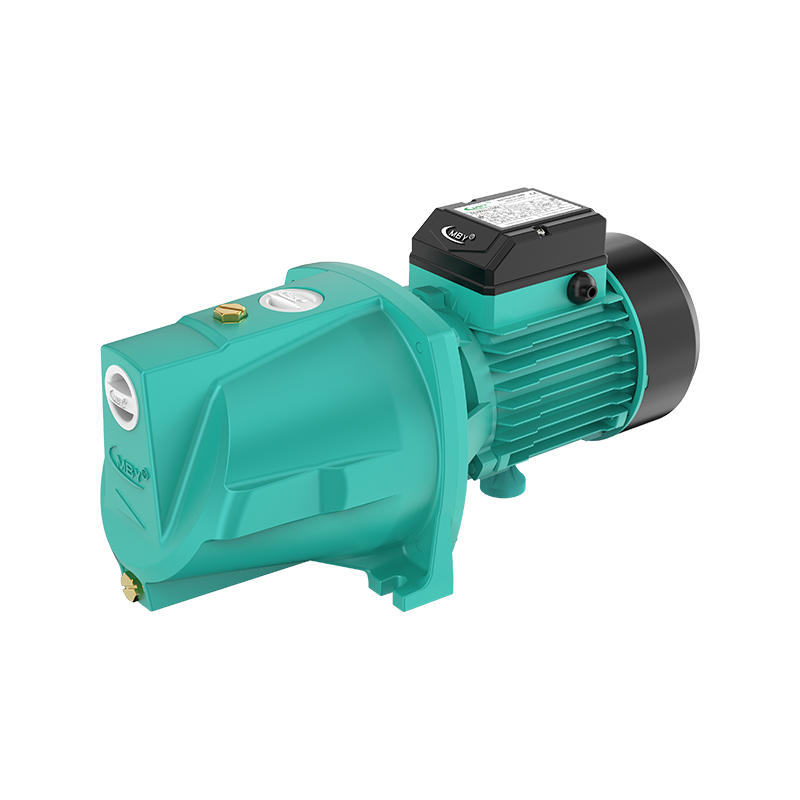
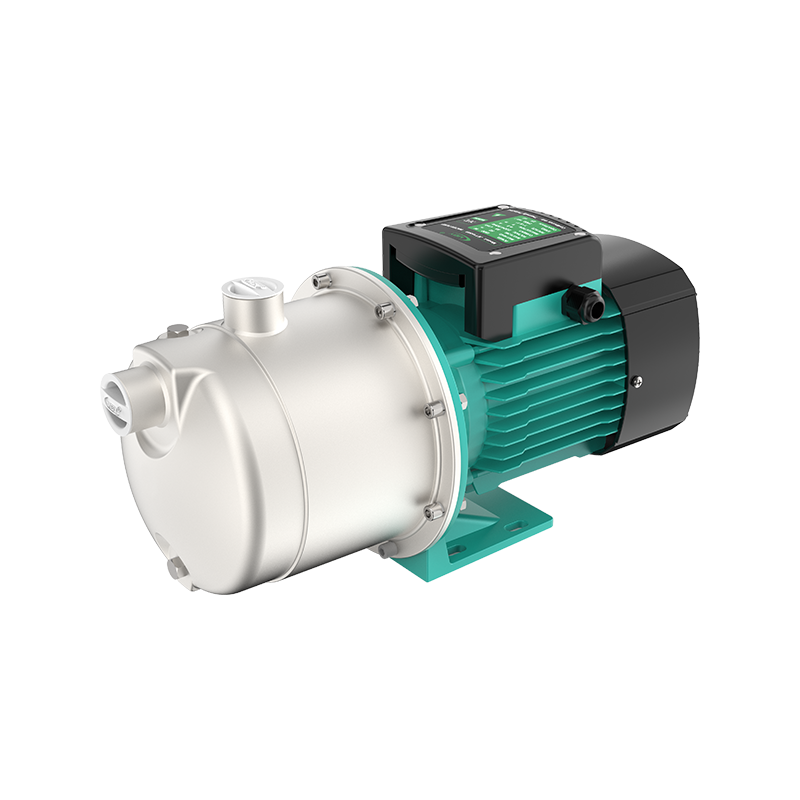
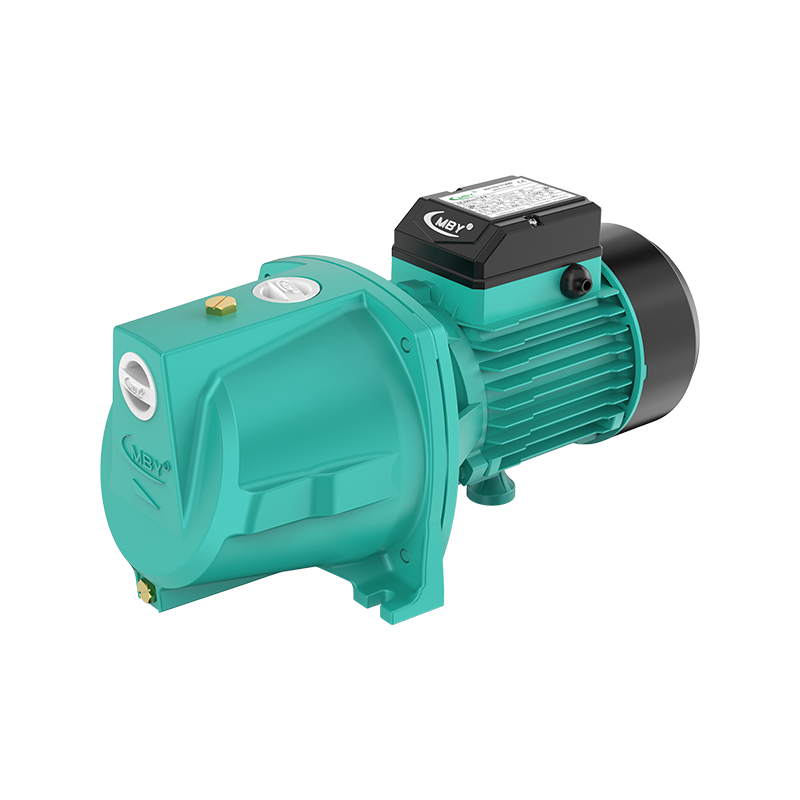
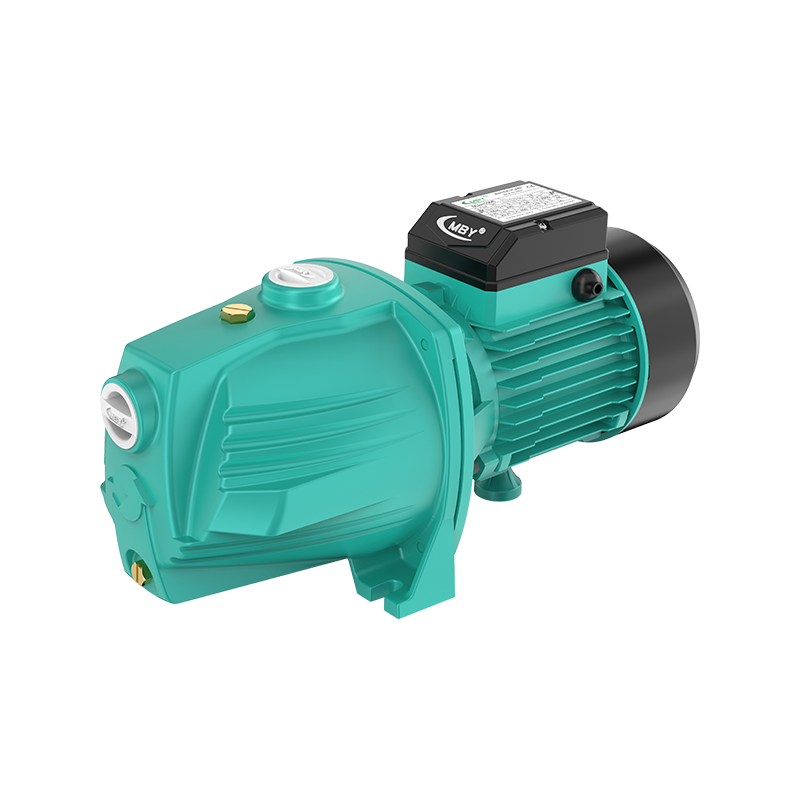
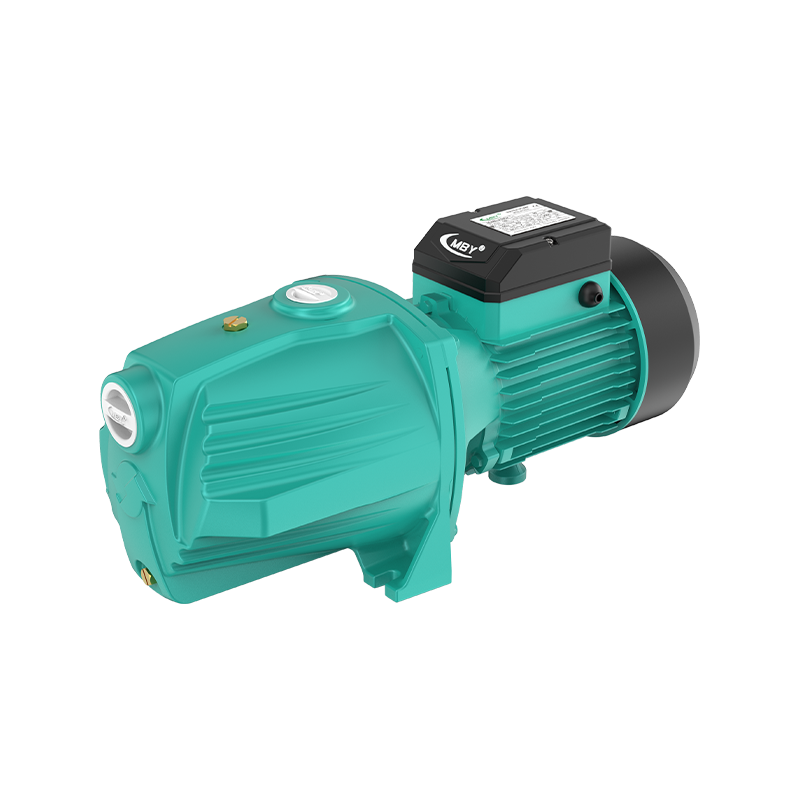
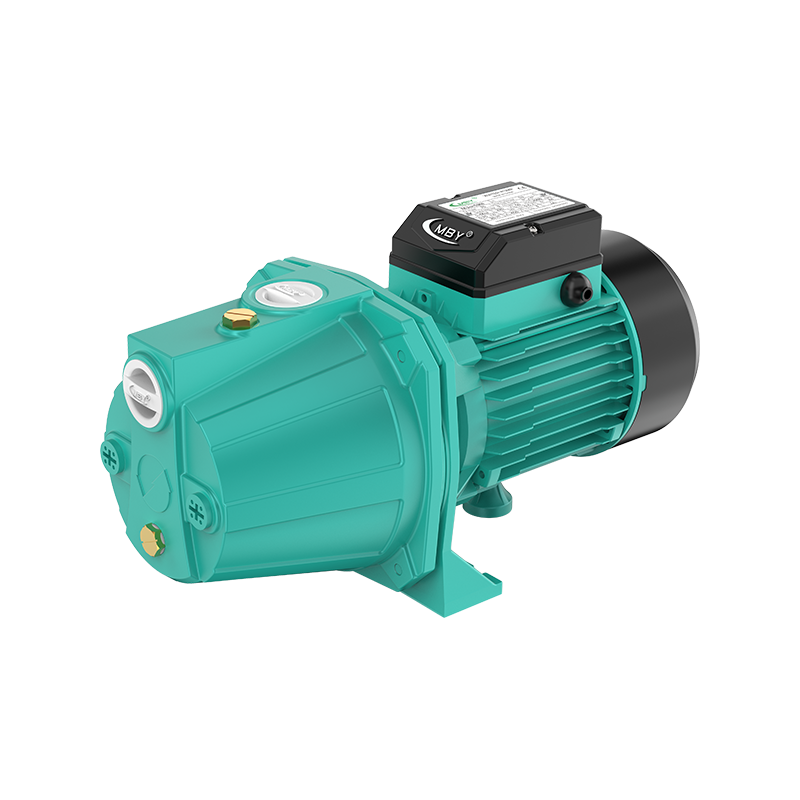
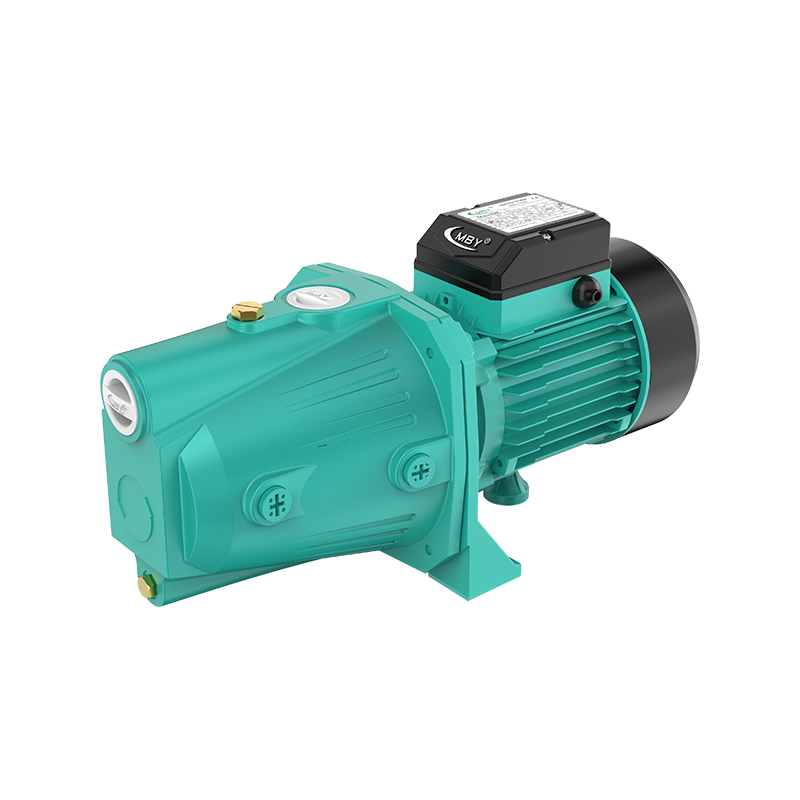
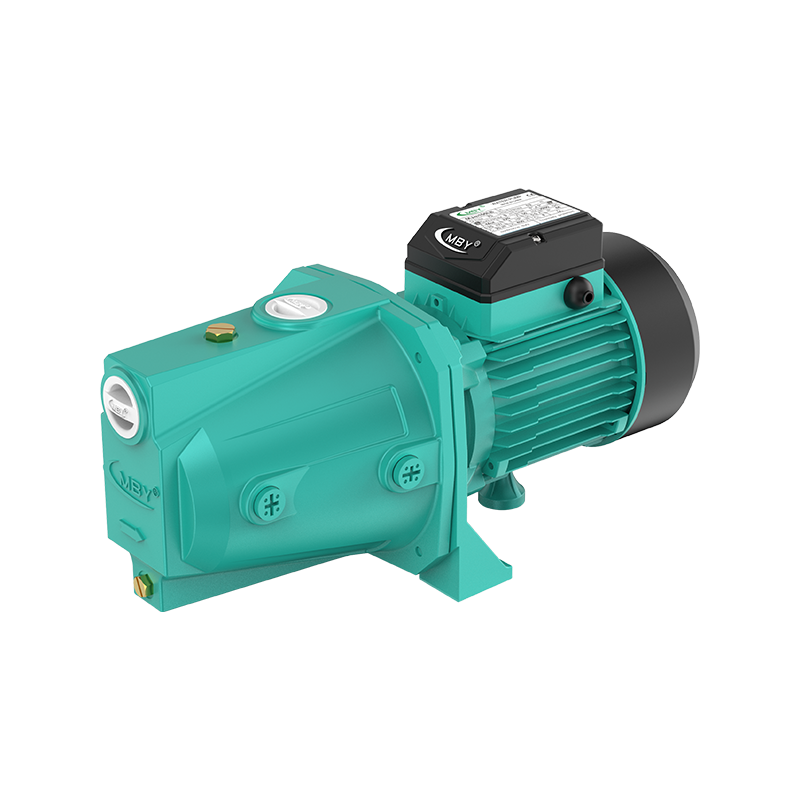
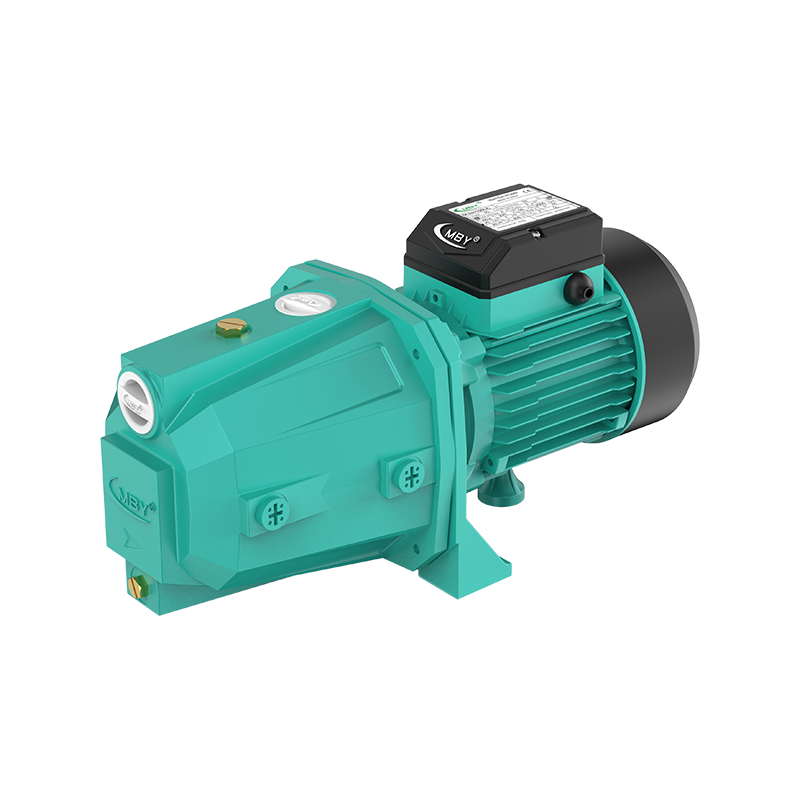
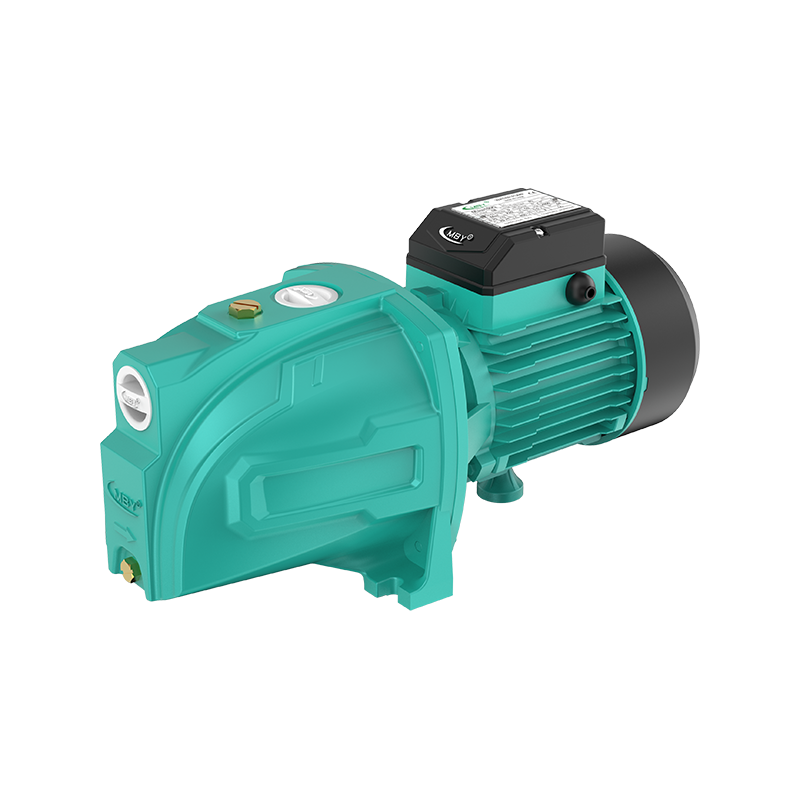
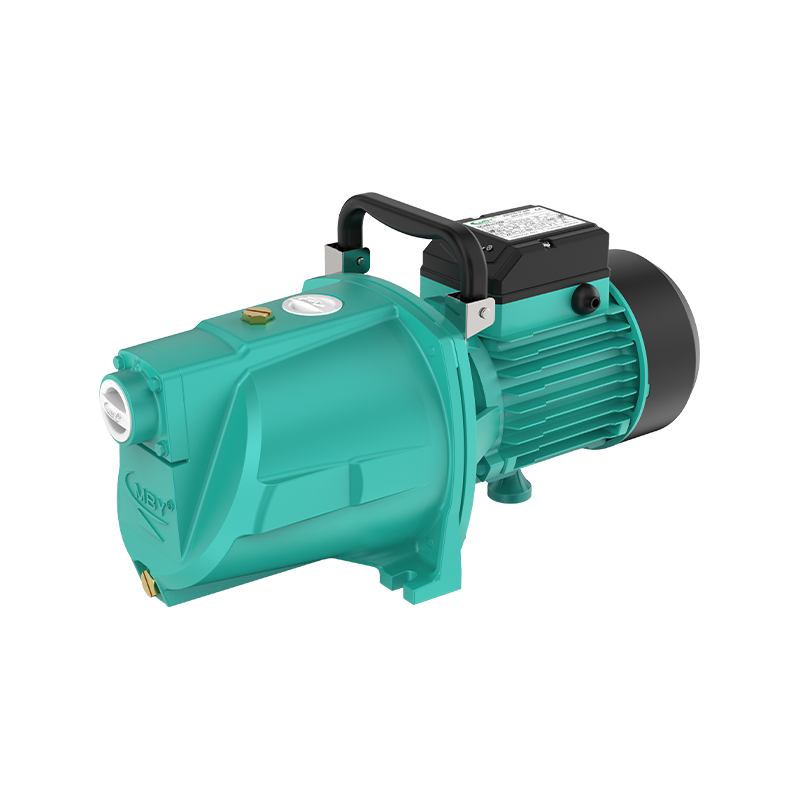
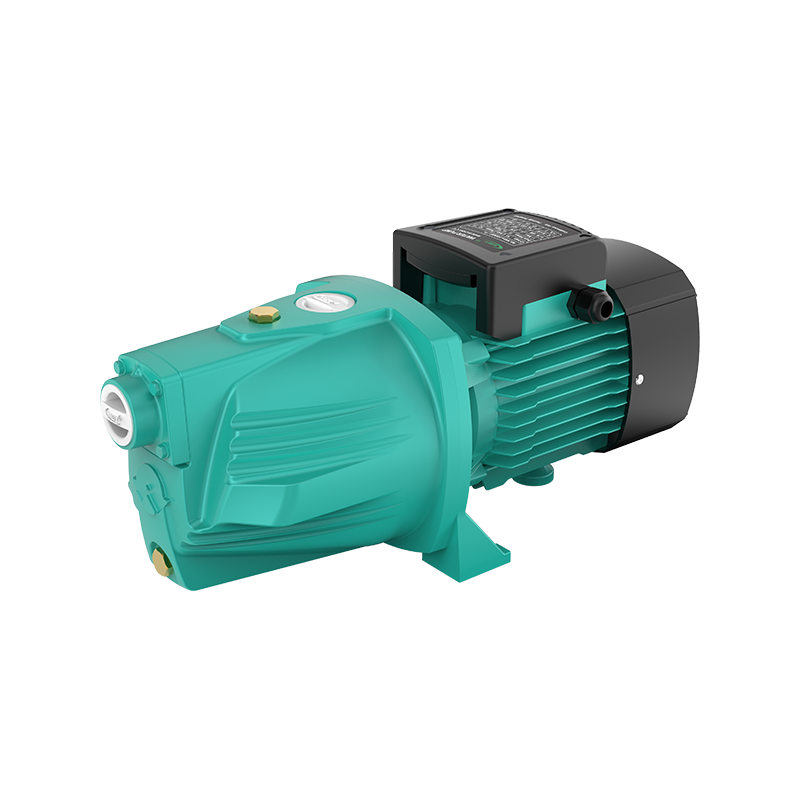
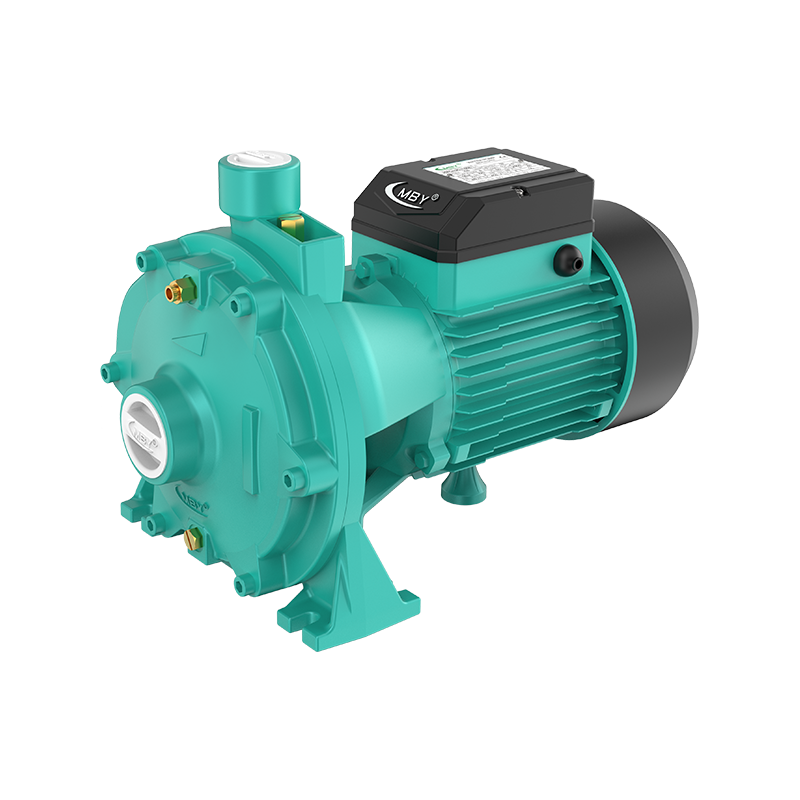
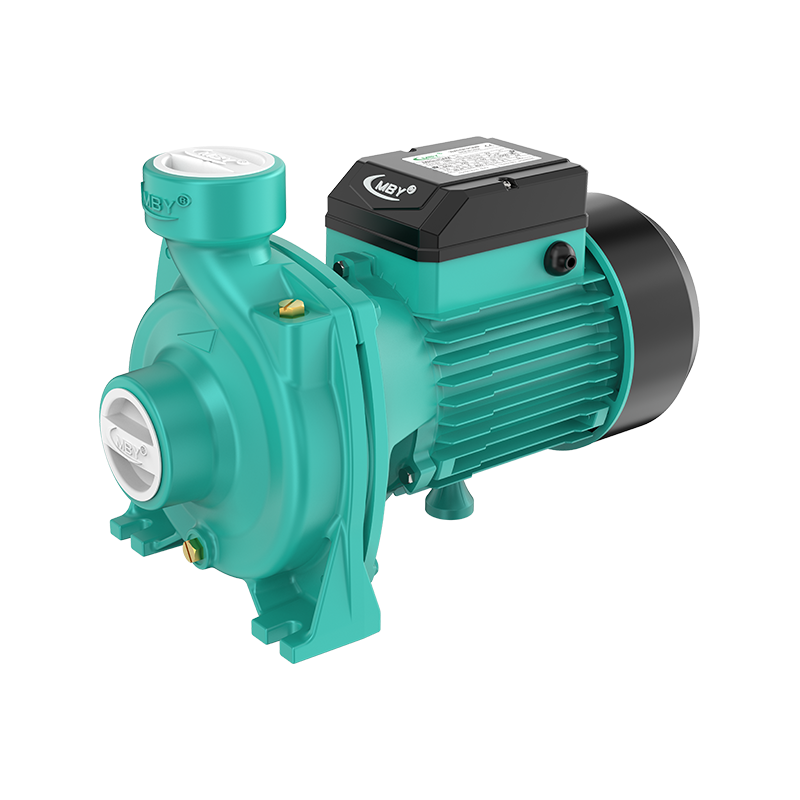
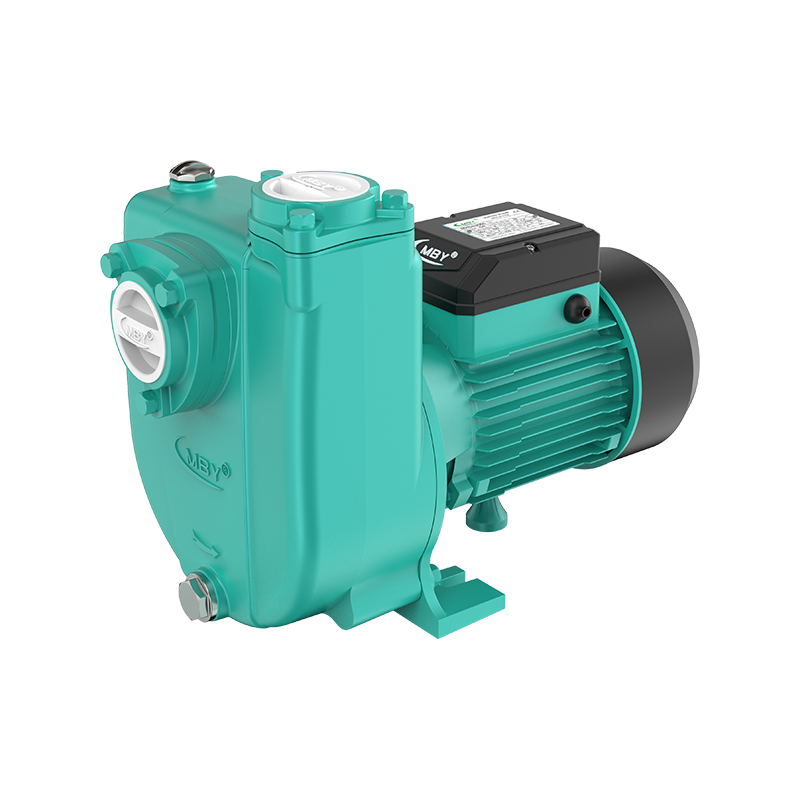
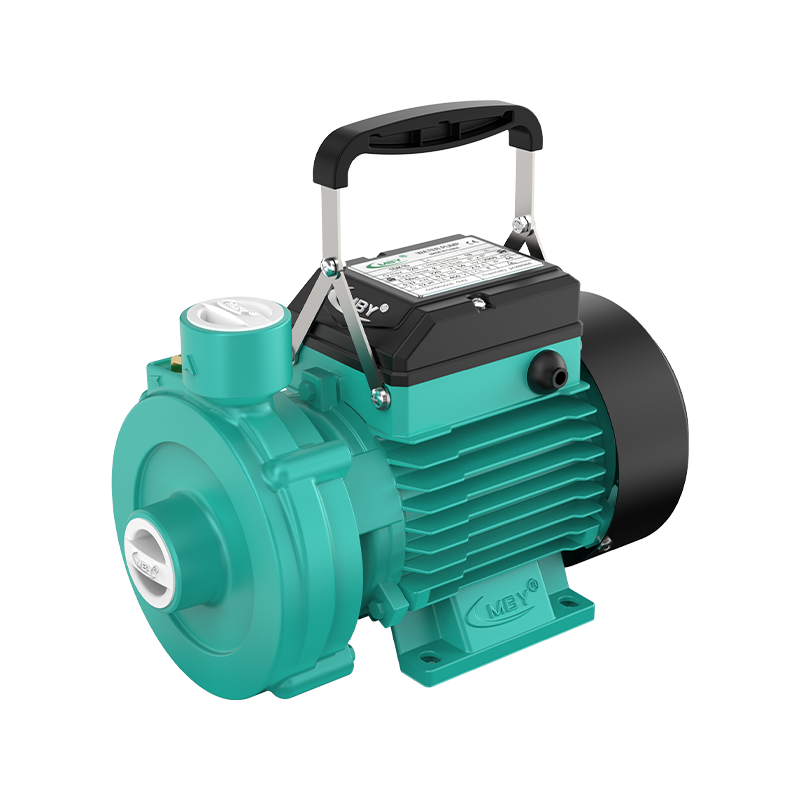
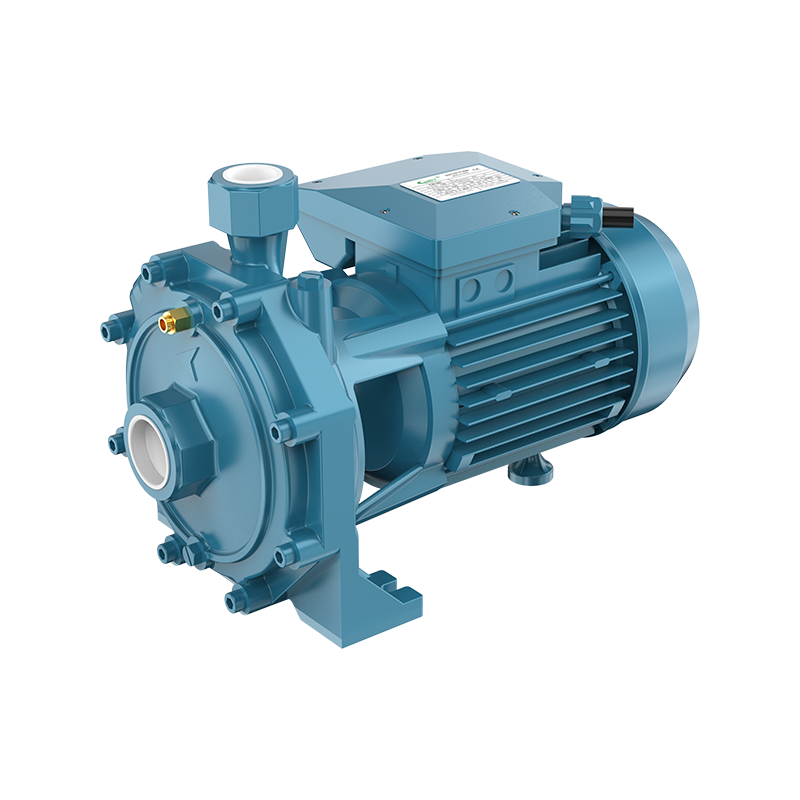
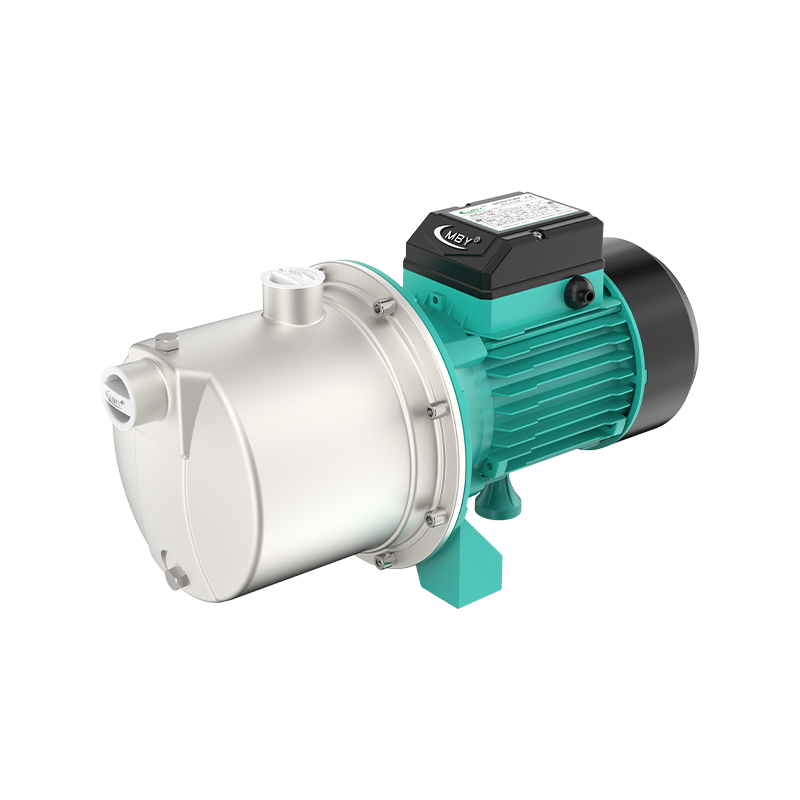
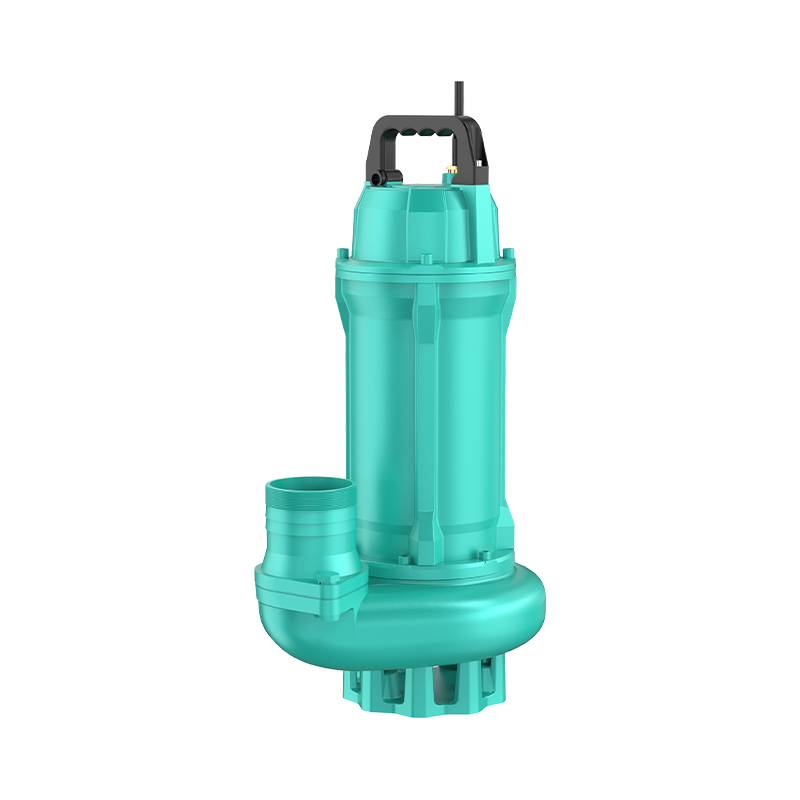
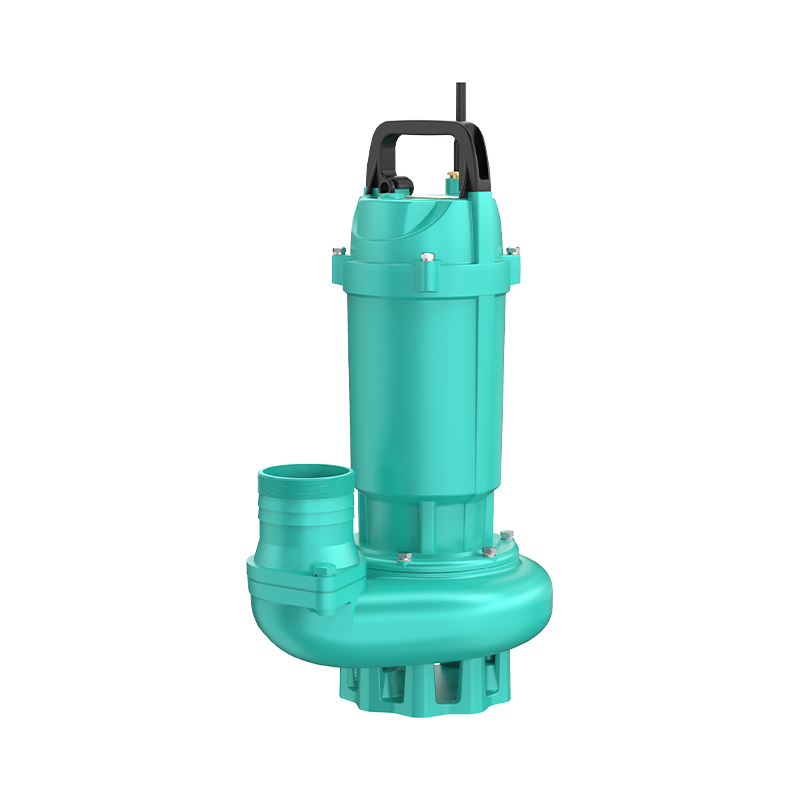
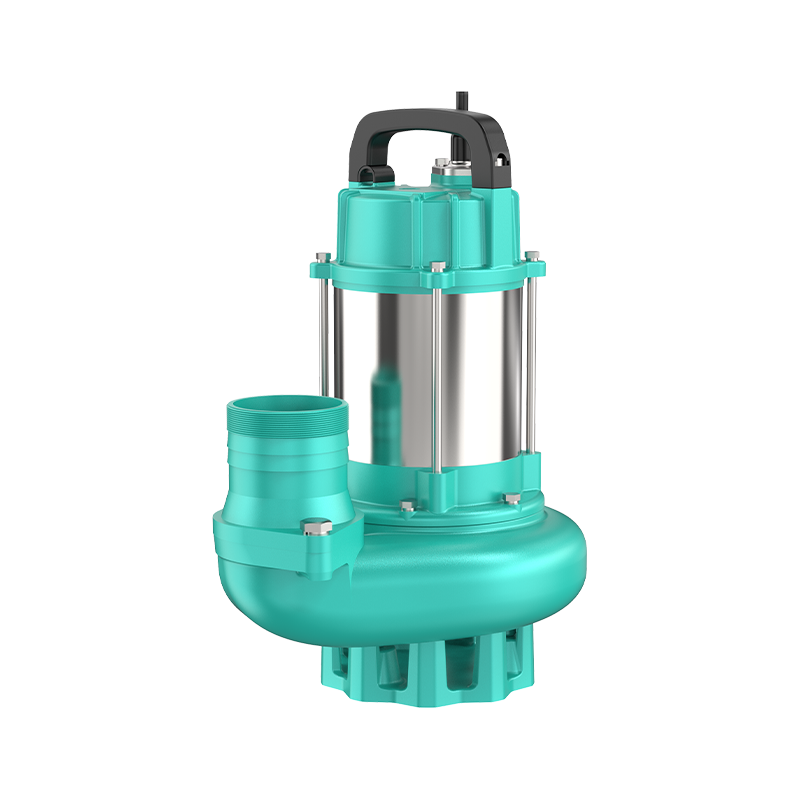
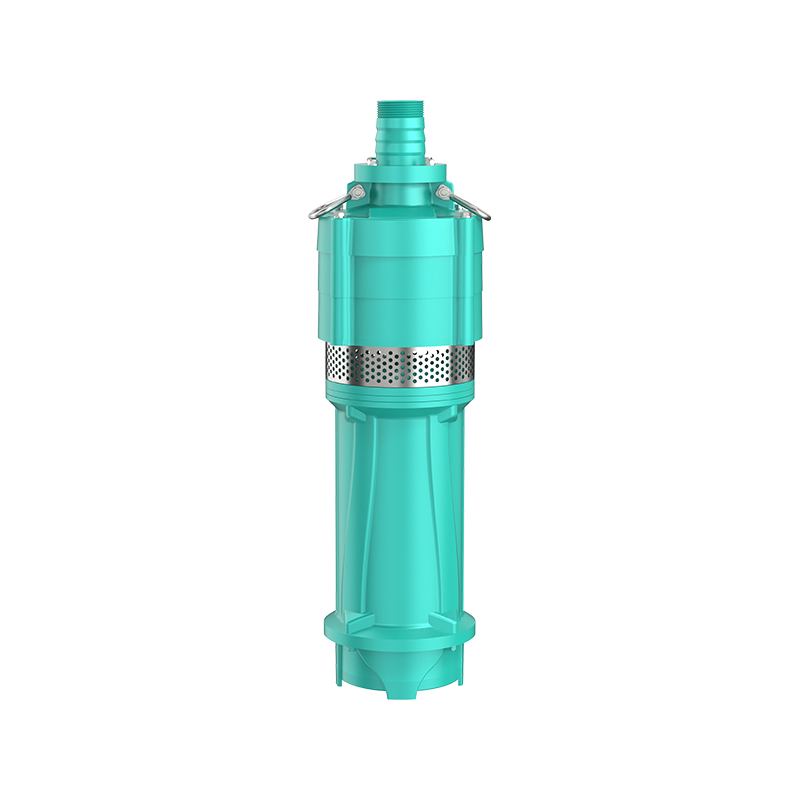
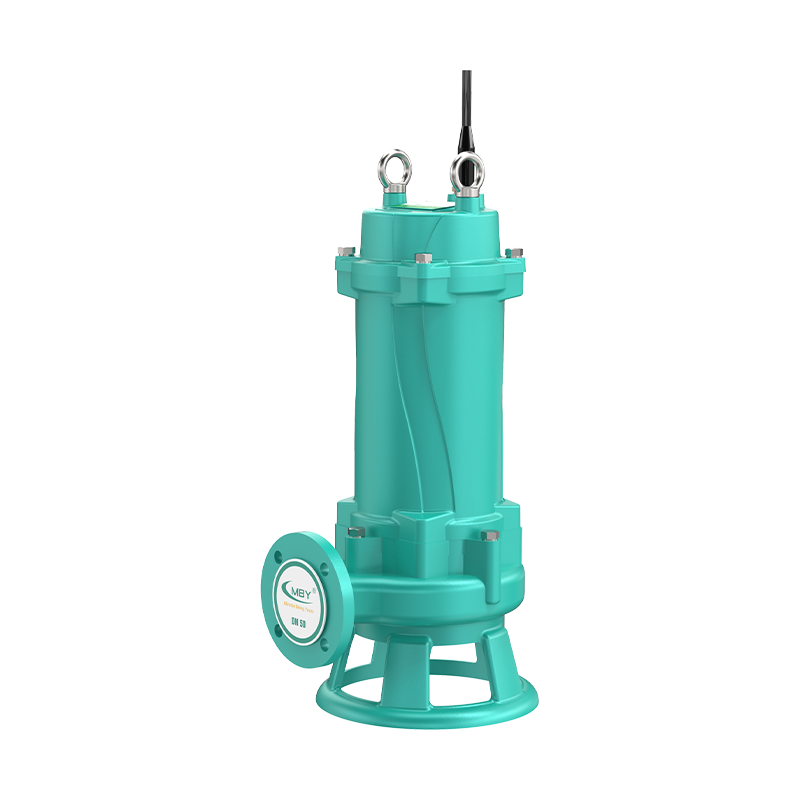
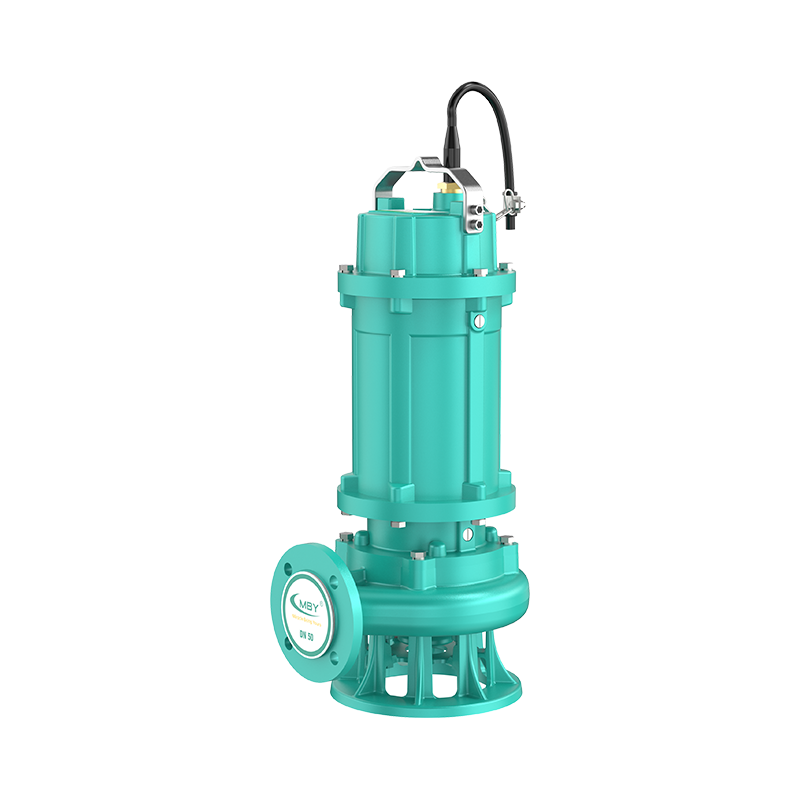
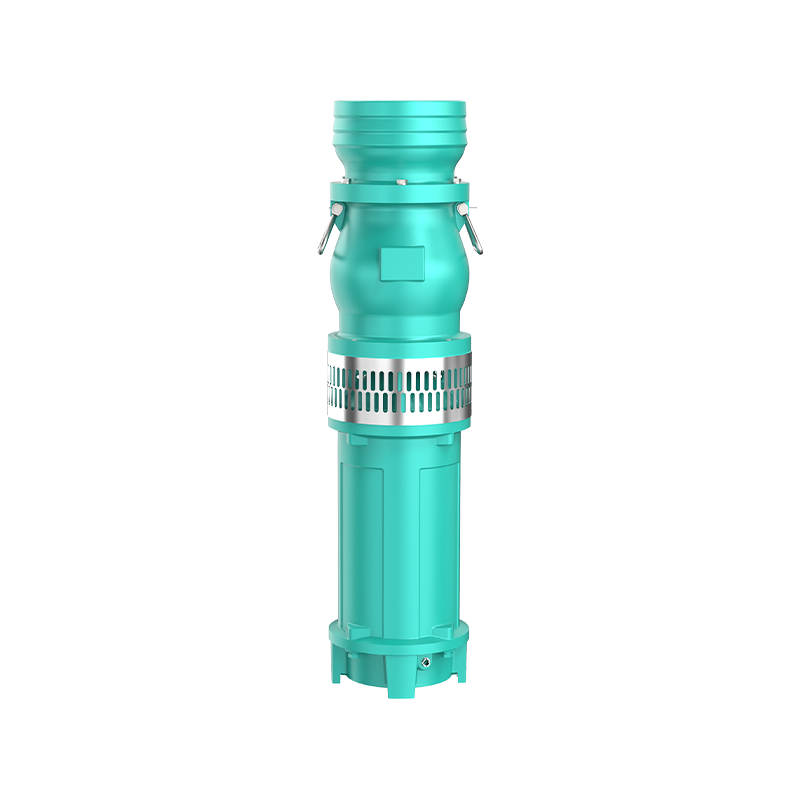
Die kleine mehrstufige elektrische Tauchpumpe ist eine spezielle Wasserpumpenausrüstung, die hauptsächlich für den Unterwasserbetrieb verwendet wird. Es ist normalerweise klein, kompakt im Aussehen und einfach zu installieren und anzuordnen. Es nutzt fortschrittliche Elektrotechnologie und verfügt über hohe Effizienz und energiesparende Eigenschaften. Der während des Betriebs erzeugte Lärm ist gering, was die Umgebung ruhig halten kann. Es verfügt über eine hohe Qualität und stabile Leistung, kann lange laufen und wird durch die äußere Umgebung nicht so leicht beschädigt. Um die Sicherheit der Benutzer zu gewährleisten, werden mehrere Sicherheitsmaßnahmen ergriffen, wie z. B. Überlastschutz und Auslaufschutz. Durch unterschiedliche Düsen- und Auslassdesigns können verschiedene Wasserströmungseffekte wie Strahlen, Fontänen, Wasserfälle usw. erzeugt werden, die die Ausdruckskraft der Fontänen-Wasserlandschaft bereichern. Durch die sinnvolle Anordnung und Regelung des Betriebs kleiner elektrischer Tauchpumpen kann ein Wasserlandschaftseffekt mit reichen Schichten erzeugt werden, der die Schichtung und Kunstfertigkeit der Landschaft erhöht. Aufgrund seiner geringen Größe kann es direkt am Boden des Pools oder Brunnens platziert werden, wodurch Platz gespart und die Auswirkungen der Ausrüstung auf die Gesamtform der Landschaft verringert werden. Es kann je nach Bedarf gesteuert und angepasst werden, z. B. durch Anpassen der Größe, Geschwindigkeit und Höhe des Wasserflusses, um den Vorlieben verschiedener Anlässe und Benutzer gerecht zu werden. Da es unter Wasser platziert wird, ist es im Allgemeinen nicht leicht, von äußerem Schmutz und Müll bedeckt zu werden, und es kann bequemer gewartet und gereinigt werden.
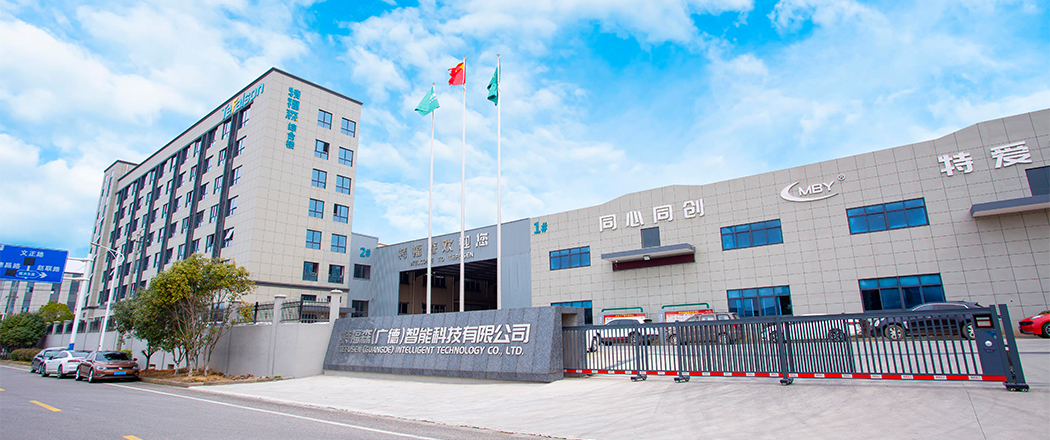
Über Tefusen
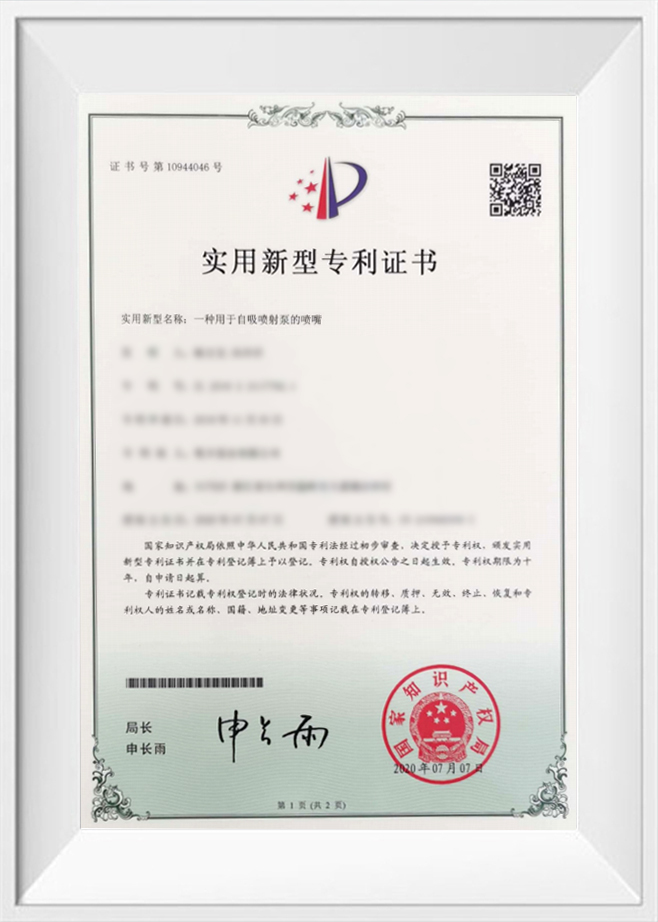
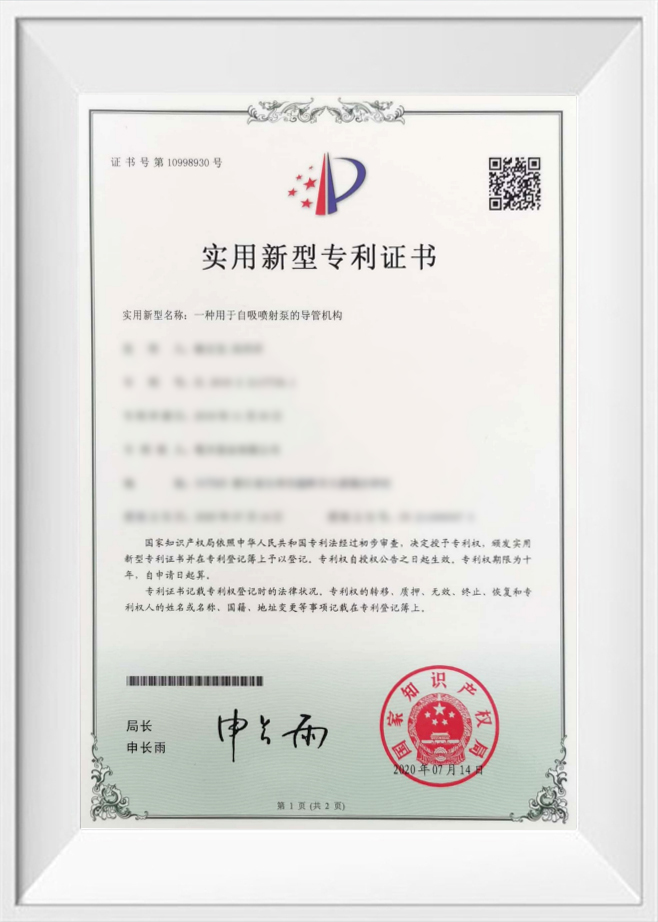
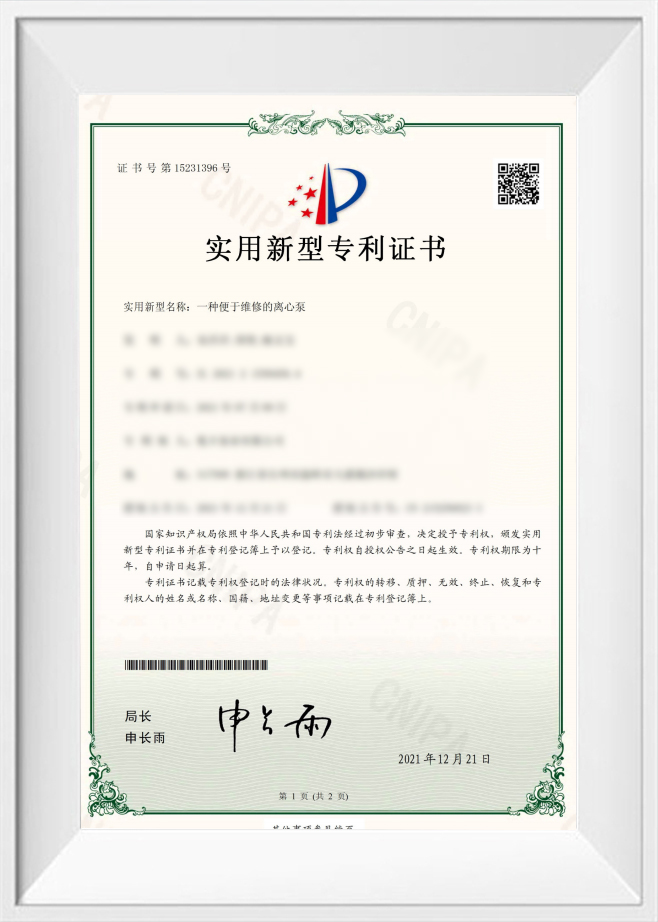
Ehre
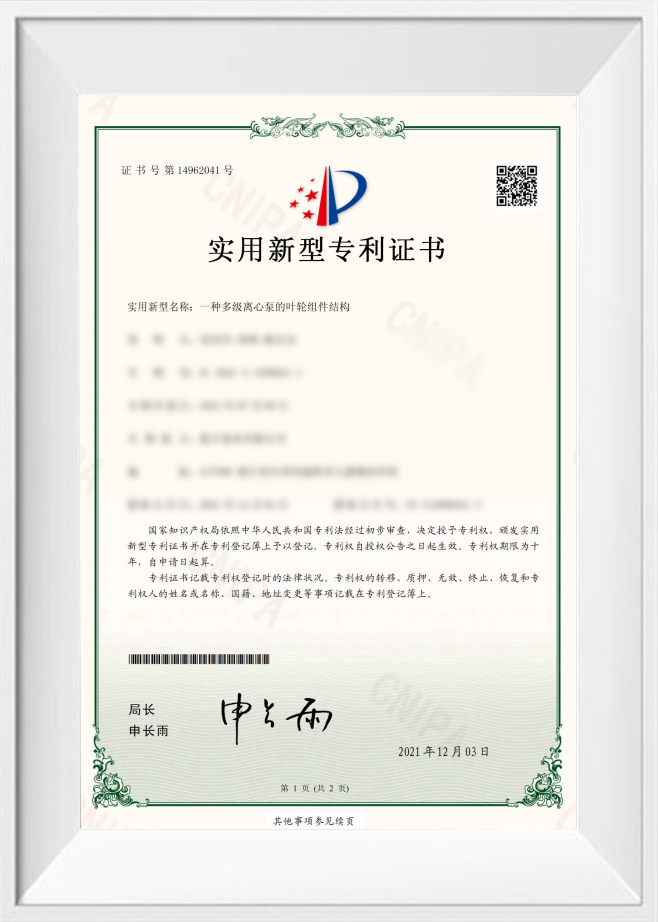
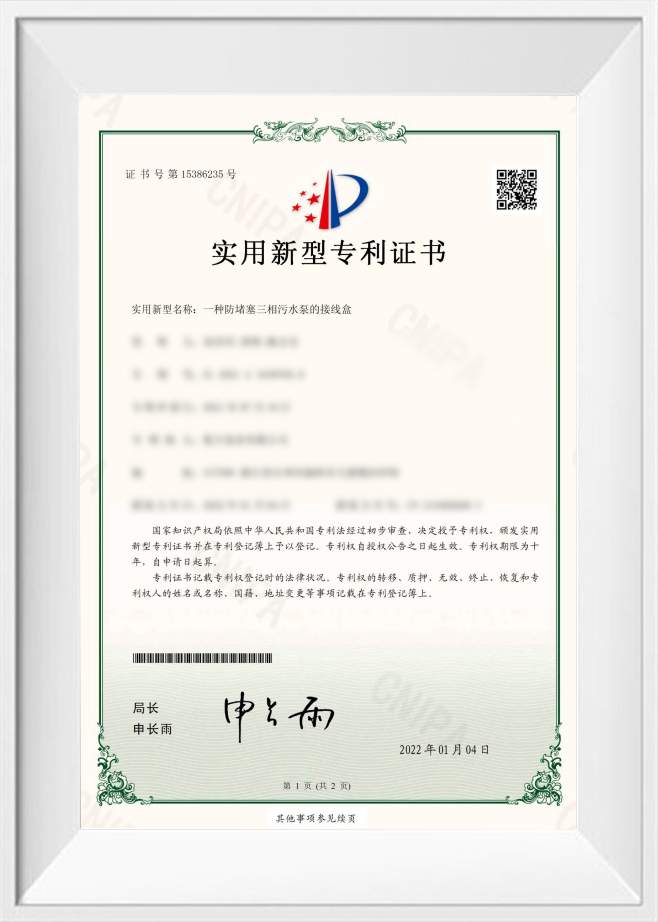
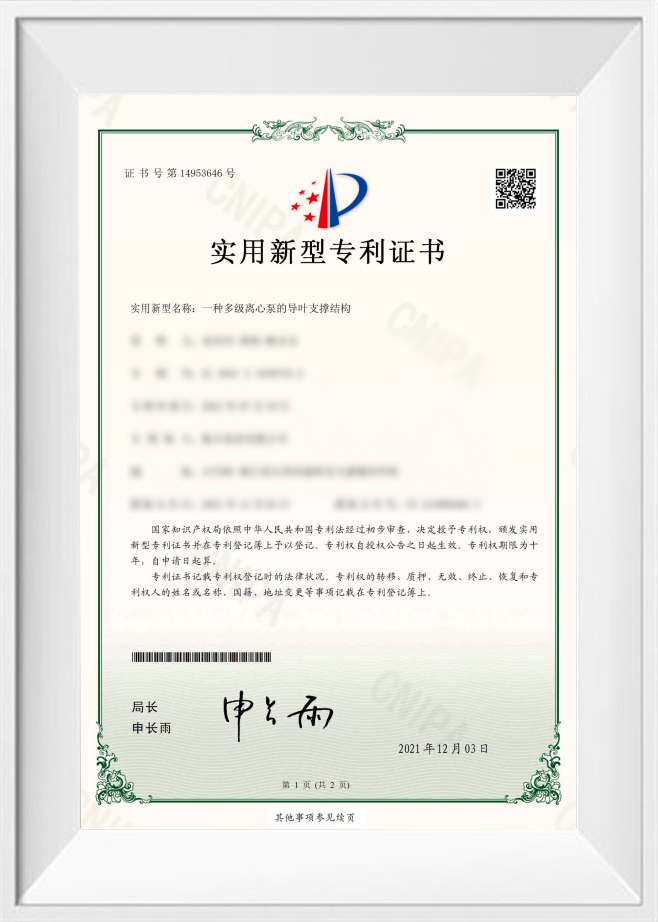
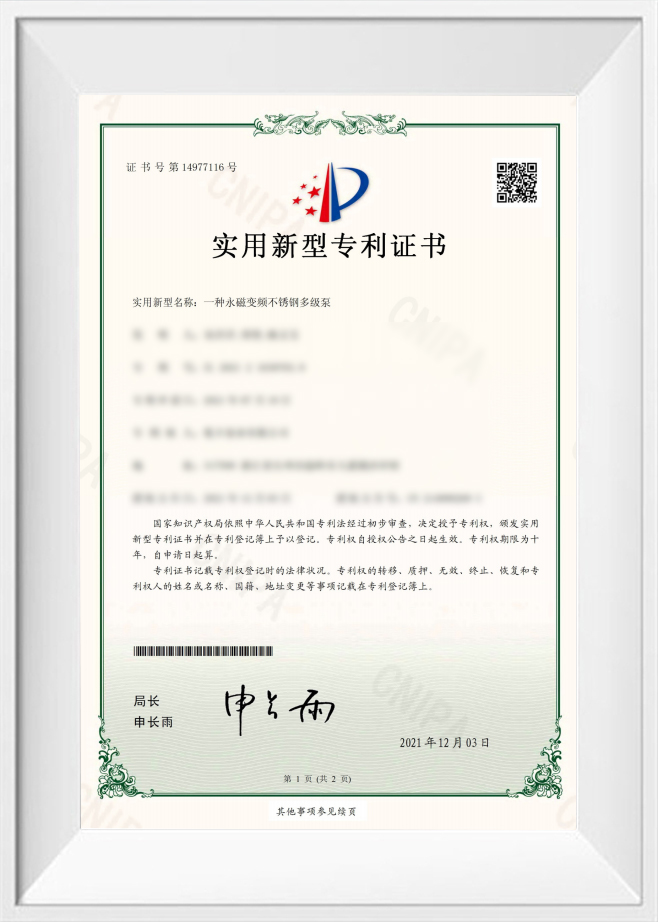
Neueste Updates
Kleine mehrstufige elektrische Tauchpumpe Branchenwissen
In the diverse world of fluid movement, selecting the appropriate pump technology is critical for achieving optimal performance, efficiency, and reliability. Two common options for generating pressure in water supply, irrigation, and various industrial applications are the standard single-stage pump and the more specialized small multistage submersible electric pump. While single-stage pumps serve effectively in numerous low-to-medium pressure scenarios, multistage submersible models offer a distinct set of advantages for more demanding duties.
To understand the advantages of a multistage design, one must first grasp the basic mechanics of centrifugal pumping. A standard single-stage pump operates on a straightforward principle: a single impeller rotates within a volute casing. As water enters the eye of the impeller, rotational energy is transferred to the fluid, which is flung outward by centrifugal force. This action increases the water’s velocity, which is then converted into pressure within the discharge casing. The entire pressure boost is achieved in one continuous motion from a single impeller.
In contrast, a small multistage submersible electric pump employs a series of impellers and diffusers stacked in sequence within a single pump body. Each impeller-diffuser pair constitutes one stage. Water enters the first stage, where the impeller imparts energy and increases its pressure. Instead of being directed immediately to the discharge outlet, the water then flows into the next stage, where the process repeats. Each subsequent stage adds to the total discharge pressure delivered by the pump. This modular, cumulative approach to building pressure is the fundamental differentiator between the two technologies.
The architectural difference of stacking multiple stages yields several significant performance benefits over a single-stage pump, particularly in applications requiring higher pressures or consistent delivery from a deep source.
Superior Pressure Generation and Head Capability
The most pronounced advantage of a small multistage submersible electric pump is its ability to generate significantly higher pressures than a comparable single-stage model of similar size and power input. Since pressure is additive across each stage, a pump with five stages can theoretically produce five times the pressure of a single-stage pump using an identical impeller. This makes the multistage design exceptionally well-suited for applications like boosting water pressure in tall buildings, supplying water from deep wells or boreholes, and providing high-pressure water for irrigation systems or industrial processes. A small deep well pump or borehole submersible pump is almost exclusively of a multistage design for this very reason.
Enhanced Energy Efficiency at Higher Pressures
For duties that require medium to high pressure, a multistage pump operates with greater hydraulic efficiency. A single-stage pump attempting to achieve the same high output pressure would require a very large impeller rotating at an extremely high speed, leading to substantial friction losses, cavitation risks, and high energy consumption. The multistage approach breaks this pressure build-up into smaller, more manageable increments. Each impeller can be smaller and can operate at a more optimal point on its efficiency curve. This results in less turbulence and lower internal losses, translating into lower energy consumption per unit of water delivered at pressure. This efficiency is a critical factor for continuous-operation applications like a submersible pump for water supply or an irrigation submersible pump, where even small efficiency gains lead to substantial long-term cost savings.
Compact Form Factor and Space Savings
Despite having multiple internal components, the design of a multistage centrifugal submersible pump is remarkably compact. The stages are arranged in a vertical stack, allowing for a long but narrow cylindrical form factor. This is a significant advantage for installations where space is constrained, such as inside a borehole, a deep well casing, or a narrow tank. A single-stage pump capable of the same output would be much larger in diameter. The submersible nature of these units further saves space, as they are installed directly within the fluid source, eliminating the need for a dedicated pump house or a large footprint on the ground.
Stable Performance and Smooth Flow Characteristics
The multi-stage process contributes to a more stable and smoother discharge flow compared to a single-stage pump. The flow output of a small multistage submersible electric pump is often characterized by less turbulence and pulsation. This stable performance is beneficial for sensitive applications where consistent flow and pressure are paramount, such as supplying reverse osmosis (RO) systems or serving as a submersible pump for HVAC system where pressure fluctuations could impact system control.
Robust Construction and Reliability
The requirement to contain high internal pressures dictates that these pumps are built to robust standards. The stages are typically enclosed in a durable stainless steel or engineered polymer barrel. Furthermore, as a submersible pump with motor, the entire unit is designed to be hermetically sealed, protecting the internal motor and electrical components from the fluid environment. This sealed construction makes them inherently resistant to external environmental factors, allowing them to run for long periods with minimal maintenance. Stainless steel submersible pump variants offer enhanced corrosion resistance for demanding environments like mining or water treatment.
Quiet Operation and Environmental Integration
Submersible pumps, by their very nature, operate with notably low noise levels. The surrounding fluid acts as an effective acoustic insulator, dampening the sound of the motor and impellers. A small multistage submersible electric pump leverages this advantage while performing high-pressure tasks that would otherwise require a loud, above-ground centrifugal or jet pump. This makes them ideal for noise-sensitive areas like residential properties, hotels, hospitals, and public parks, where maintaining a quiet environment is essential.
The following table summarizes the typical application domains where each pump type excels, based on its inherent design strengths.
| Application Scenario | Single-Stage Pump | Small Multistage Submersible Pump |
|---|---|---|
| Low-Pressure Drainage | Excellent choice for moving large volumes of water with low head, such as emptying flooded basements or construction dewatering. | Over-specified and less cost-effective for simple drainage tasks. |
| Shallow Well Water Supply | Suitable for wells with shallow depth and low pressure requirements. | Can be used but may be unnecessarily complex for very shallow wells. |
| Deep Well/Borehole Water Supply | Not applicable due to insufficient pressure generation. | Ideal application. The primary choice for domestic and agricultural deep well water extraction. |
| Boosting Mains Pressure | Limited effectiveness for boosting to higher floors. | Ideal application. Excellently suited for increasing water pressure in multi-story buildings. |
| High-Pressure Irrigation | Generally incapable of providing the required pressure for sprinkler or drip systems over large areas or elevation changes. | Ideal application. Provides consistent high pressure for agricultural and landscape irrigation. |
| Industrial Water Applications | Used for low-pressure transfer, circulation, or make-up water. | Used for high-pressure washdown, reverse osmosis feed, and process water supply. |
| Noise-Sensitive Environments | Above-ground models can be noisy. | Ideal application. Operates silently underwater, perfect for residential areas or parks. |
While the advantages are numerous, it is important to acknowledge the specific considerations associated with a small multistage submersible electric pump. Their installation can be more complex than that of a surface-mounted single-stage pump, often requiring lowering into a deep well or secure mounting within a tank. Ensuring the power cable is properly secured and the unit is correctly positioned is crucial. Maintenance, though infrequent due to their reliable design, typically requires retrieving the entire unit from its installed location for inspection or service, as opposed to an above-ground pump that is easily accessible. However, their long service intervals and protected underwater location often mean less frequent maintenance overall.
The performance advantages of a modern small multistage submersible electric pump are made possible through precision engineering and rigorous manufacturing standards. Companies like Tefusen (Guangde) Intelligent Technology Co., Ltd. utilize advanced production facilities to achieve the necessary levels of quality and consistency. The manufacturing process for these sophisticated pumps involves computer-numerical-control (CNC) machining of components to ensure exact tolerances, dynamic balancing of rotating assemblies to minimize vibration and wear, and comprehensive testing of each unit under simulated real-world conditions.
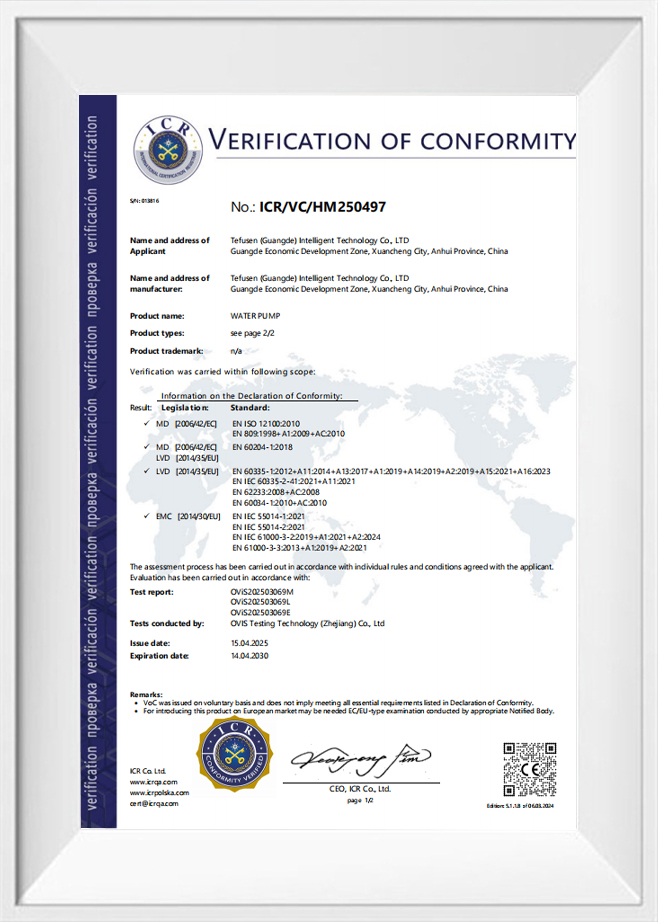
This commitment to quality is underpinned by international certifications, such as ISO 9001 for quality management systems. These standards ensure that every small multistage submersible electric pump leaving the factory meets stringent benchmarks for performance, safety, and durability. The integration of advanced testing equipment allows a manufacturer to verify critical parameters like flow rate, pressure head, efficiency, and motor integrity before the product is shipped. This level of quality control is essential for building reliable submersible pumps for water supply and other critical applications where failure is not an option.
The choice between a standard single-stage pump and a small multistage submersible electric pump is fundamentally dictated by the application’s pressure and performance requirements. For high-flow, low-pressure tasks, a single-stage pump remains a simple and effective solution. However, for applications demanding medium to high pressure, especially from a deep or pressurized source, the advantages of the multistage design are overwhelming.
The small multistage submersible electric pump offers superior pressure generation, improved energy efficiency in its operational range, a compact and space-saving form factor, and exceptionally quiet and reliable operation. Its robust, sealed construction makes it a set-and-forget solution for deep wells, pressure boosting, and sophisticated irrigation systems. By understanding these core operational advantages, engineers, contractors, and end-users can make informed decisions, selecting the right pump technology to ensure efficient, reliable, and cost-effective performance for years to come.
Kontakt aufnehmen
Adresse 1:
Nr. 4 Taoyuan Road, Stadt Taozhou, Stadt Guangde, Stadt Xuancheng, Provinz Anhui, China
Adresse 2:
Stadt Daxi, Stadt Wenling, Stadt Taizhou, Provinz Zhejiang, China Pump Industry Intelligent Manufacturing Town